DjamgaMind Kids
DjamgaMind KidsAll bedtime stories

Lucky Dube, The Reggae King of Africa

Free · Ages 4–8 · About 2 minutes to read aloud · Also available in French
Lucky Dube, The Reggae King of Africa

Listen to this story

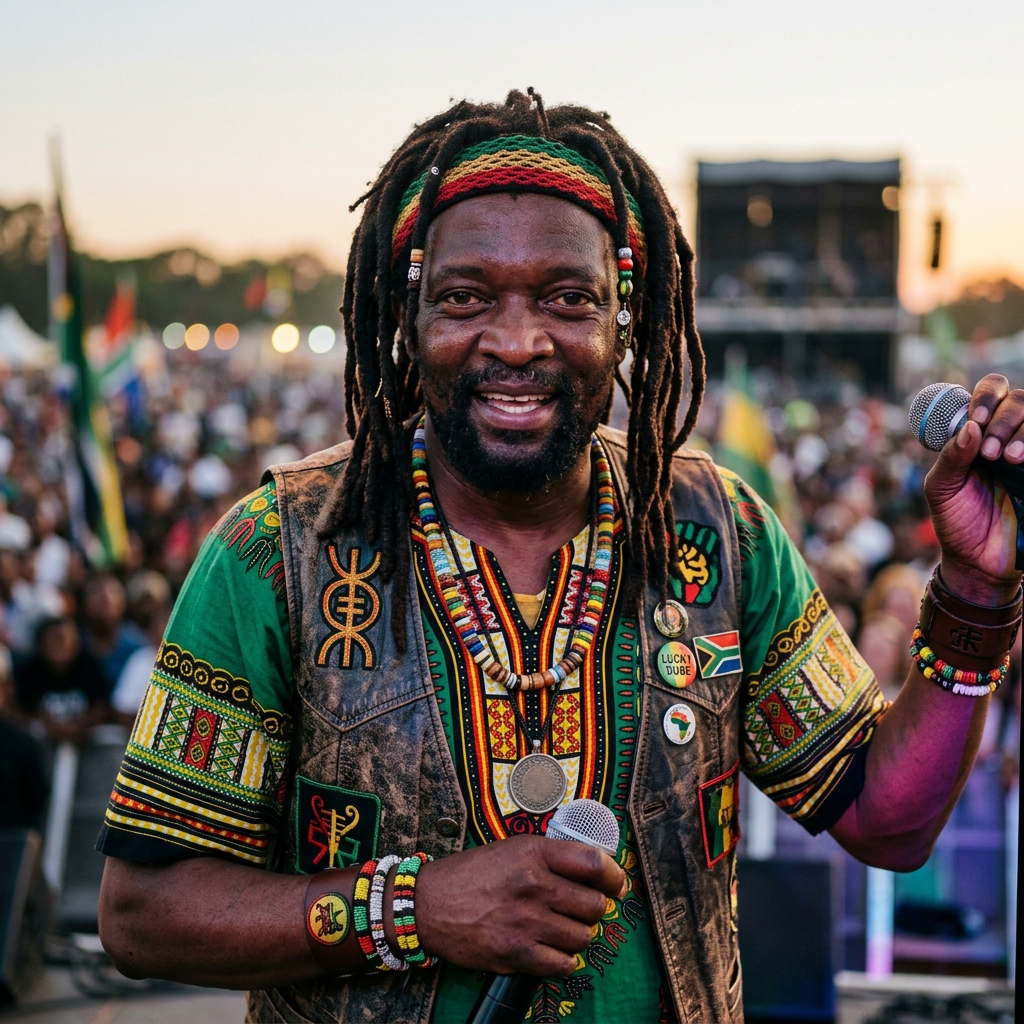
Lucky Dube was born in a small town in South Africa. He was given the name 'Lucky' because his mother had experienced several failed pregnancies before his birth. Growing up in extreme poverty during the oppressive apartheid regime, he initially sang traditional Zulu music (mbaqanga). However, he soon realized that reggae music was the perfect vehicle to express his political and social messages. When he released his first reggae album, it was banned by the racist South African government, but his music spread underground and he became a massive star. He sang about racial equality in 'Different Colours / One People' and the struggles of the marginalized in 'Prisoner'. Lucky Dube's reggae wasn't just popular in Africa; it resonated globally, making him one of the best-selling reggae artists in history. Though his life ended tragically, his music remains a timeless call for brotherhood, peace, and standing up against injustice.

Quiz

Questions to talk about afterwards

Why was he given the name 'Lucky'?
  • He won the lottery
  • His mother had experienced several failed pregnancies before him
  • He survived a dangerous accident
  • He was born on a lucky day
Show answer
His mother had experienced several failed pregnancies before him
What music genre did Lucky Dube use to spread his political messages?
  • Jazz
  • Reggae
  • Afrobeat
  • Hip Hop
Show answer
Reggae
How did the South African government react to his first reggae album?
  • They gave him an award
  • They played it on national radio
  • They banned it
  • They funded his next album
Show answer
They banned it
Which song explicitly promotes racial harmony and equality?
  • Prisoner
  • Different Colours / One People
  • Remember Me
  • Slave
Show answer
Different Colours / One People
What is the lasting legacy of Lucky Dube's music?
  • It promotes violence
  • It is a timeless call for brotherhood and peace
  • It only appeals to South Africans
  • It focuses on wealthy lifestyles
Show answer
It is a timeless call for brotherhood and peace
Open in the app

More stories like this